
Macro
Founder / Visual Engineer
Built by a Filmmaker.
Engineered by Experience.
The Chronos Project was founded by Chris Field, a visual engineer and time-lapse cinematographer specializing in autonomous camera systems, robotic motion control, botanical time-lapse, and long-term field imaging.
Chris has spent more than a decade building custom filming systems for documentary productions, research projects, and commercial deployments where ordinary cameras, off-the-shelf sliders, and consumer time-lapse devices were not enough.
Many of his studio rigs are custom-built 6–8 axis Dragonframe-controlled robots, designed for precision macro, botanical, and motion-control work. His production workflow also includes virtual production tools for planning, previewing, and executing complex camera moves before they happen in the real world.

Custom Robotics
Purpose-built motion-control systems for shots that cannot be captured with standard production equipment.
Long-Term Capture
Autonomous imaging systems built for weeks, months, and years of unattended operation.
Virtual Production
Digital planning and preview workflows used to design complex camera movement before deployment.
Production Proven
Experience supporting documentary, scientific, environmental, and commercial imaging projects.
Selected Productions & Clients
Trusted by Filmmakers, Museums, Researchers, and Industry
Since 2011, The Chronos Project has contributed specialized cinematography, custom robotics, engineering, and autonomous imaging systems to documentary productions, museums, commercial clients, and research organizations around the world.
Documentary & Television
The Green Planet 2 BBC
The Green Planet BBC
Our Living Planet Netflix
Omnivore Apple TV+
National Parks USA National Geographic
Plant Life Speculative Films
YUM Gédéon Programmes
SuperSeeds ZED France
Big Pacific NHNZ / PBS
The American Farm Bobcat Studios
Bili Bean Independent Film
Engineering & Technology Partners
BBC Natural History Unit
Wildstar Films
Metropolitan Museum of Art
New York Botanical Garden
DroneSeed / Mast Reforestation
Bayer Trivolt
Caterpillar Mining Truck Build
Laowa
Kessler Crane
ManMadeMedia
Solaria Film
Fennworld
Products, Platforms, and Specialized Systems
Chronos Edge
Biolapse LT
Chronos Rail
Lens Apparatus
Chronos HD Slider
Chronos Lite Slider
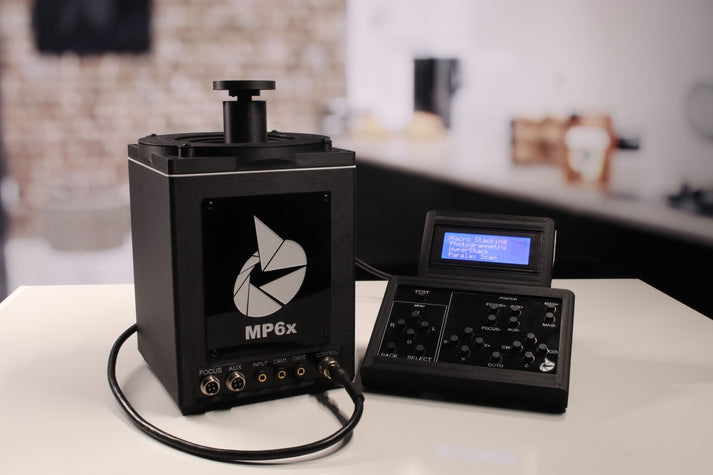
MP6X Motion Platform
Watchman Capture Systems
The Origin Story
It Started Because the Tool Did Not Exist
The Chronos Project began in late 2011, not with investors or a business plan, but with a simple problem. Professional motion control systems were expensive, and Chris Field wanted to make time-lapse films. So he started building the tools himself.
From Open Source Slider to Professional Imaging Platform
Inspired by the first wave of digital time-lapse filmmakers, Chris and Kyle Philben began developing what became the Chronos Rail, an open-source motion-control slider with a full video build series.
People started asking them to build systems. That became the beginning of The Chronos Project.
2011
A Trailer Changed the Direction
After seeing the trailer for Tom Lowe's Timescapes, Chris became fascinated with digital time-lapse cinematography and the new generation of filmmakers pushing the medium forward.
2012
The Chronos Rail
The first product was not a polished commercial system. It was an open-source time-lapse slider built from necessity, shared publicly, and eventually built for other filmmakers who wanted one but did not want to build it themselves.
2014
Carnivora Gardinium
After turning a spare basement room into a small botanical studio, Chris released Carnivora Gardinium, a short film featuring carnivorous plants. The film gained major attention online, was featured by National Geographic, and introduced his botanical time-lapse work to producers around the world.
2015
The First Documentary Commission
The success of Carnivora Gardinium led to a commission for Big Pacific, an international documentary production looking for specialized botanical time-lapse of carnivorous plants. That project helped fund the first Dragonframe robot, OTTO.
Today
Built for Work That Cannot Fail
The Chronos Project now builds autonomous imaging systems, custom robotics, motion-control platforms, virtual production tools, and long-term camera technology used by documentary productions, museums, researchers, commercial clients, and environmental organizations.
The guiding principle has never changed. If the tool needed to capture the shot does not exist, build it.
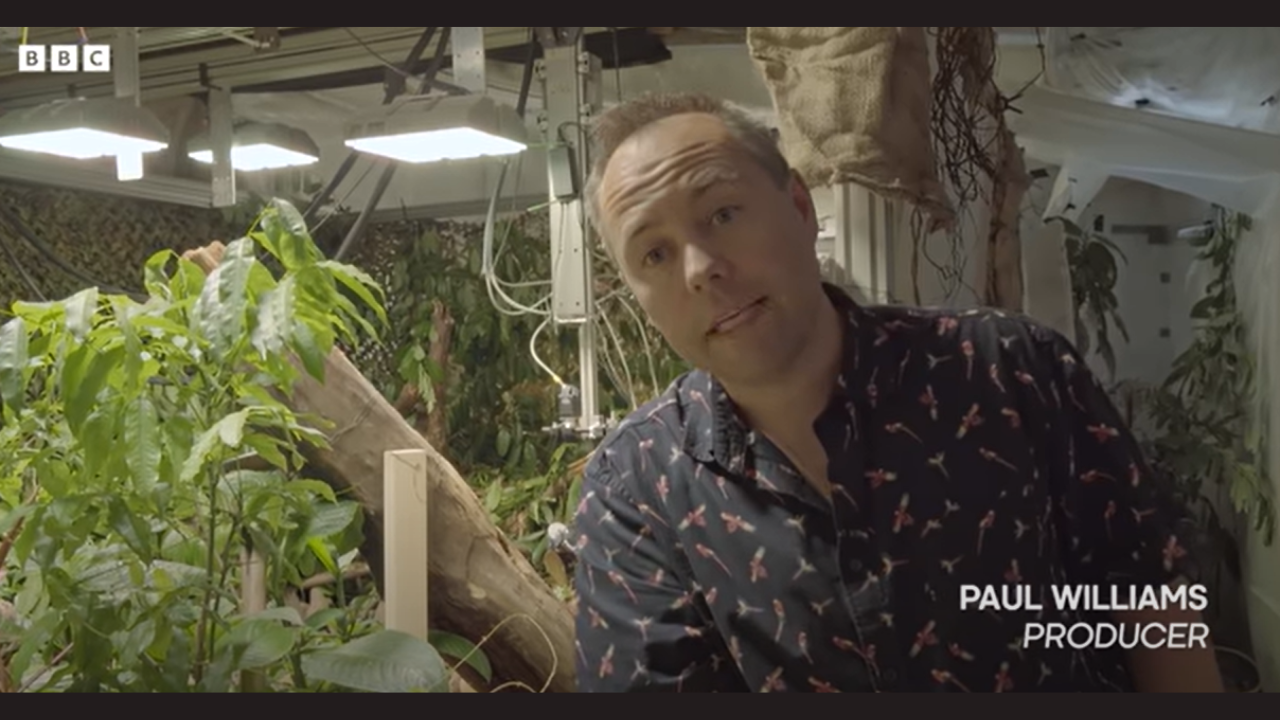
BBC: The Green Planet Project